
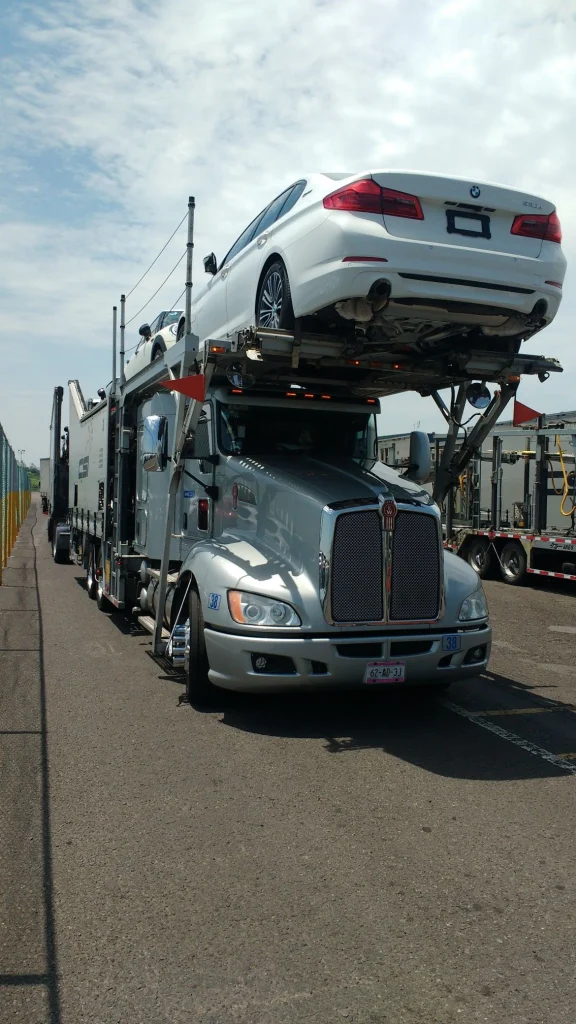
How to Prepare Your Car for State-to-State Auto Shipping
Moving a vehicle from one state to another can seem complicated, especially when you are coordinating a household relocation, purchasing a car remotely, or planning a seasonal move.
Fortunately, preparing your vehicle in advance can make the transportation process more organized.
At Torque Vehicle Drivetrain Shipping in Fountain, CO, we encourage customers to understand the basic preparation steps before scheduling interstate vehicle transportation.
1. Clean Your Vehicle Before Pickup
Washing your vehicle before shipping is helpful for more than appearance.
A clean exterior makes it easier to identify scratches, dents, chips, and other existing cosmetic damage during the pre-transport inspection.
You should also clean the interior and remove loose items that could shift during transportation.
2. Document Your Vehicle’s Condition
Before pickup, take clear photographs of the exterior from several angles.
Photograph the front, rear, both sides, wheels, and any existing damage.
Keep these images with your shipping paperwork. They can provide useful documentation if questions arise during delivery.
During pickup, review the vehicle inspection report or Bill of Lading carefully before signing.
3. Remove Personal Belongings
Auto transport carriers may restrict or prohibit personal belongings inside transported vehicles.
Loose items can shift, create additional weight, or complicate inspections.
Remove valuables, electronics, important documents, and unnecessary accessories before the vehicle is loaded.
Confirm any specific restrictions with your transportation provider.
4. Check the Vehicle’s Mechanical Condition
If your car is operational, confirm that it starts, steers, and brakes properly.
Check the tires, battery, and fluid levels. Inform the transportation provider about any leaks or mechanical problems.
A vehicle that cannot move under its own power may require specialized loading arrangements and additional charges.
Never assume that an inoperable vehicle can be shipped under the same conditions as an operational car.
5. Maintain an Appropriate Fuel Level
Most auto transport providers recommend keeping approximately one-quarter of a tank of fuel, although requirements vary.
This usually provides enough fuel for loading and unloading without adding unnecessary weight.
Always follow the specific instructions supplied by your carrier.
6. Disable Alarms and Secure Accessories
An active vehicle alarm may cause unnecessary interruptions during transportation.
Disable alarm systems where appropriate and provide any necessary instructions to the driver.
Secure or remove detachable antennas, exterior accessories, and other loose components.
For convertible vehicles, confirm that the roof is fully closed and properly secured.
7. Confirm Pickup and Delivery Information
Make sure the pickup and delivery addresses are correct.
Provide a working telephone number and identify an authorized person who can release or receive the vehicle.
Large transport trailers may not be able to enter narrow residential streets, restricted neighborhoods, or locations with low overhead clearance.
If necessary, coordinate a nearby accessible meeting point.
8. Review Your Shipping Documents
Read the transportation agreement before confirming your shipment.
Pay attention to the quoted price, possible additional charges, estimated pickup dates, cancellation conditions, insurance information, and delivery procedures.
Keep copies of all relevant documents for reference.
9. Plan for Flexible Delivery Timing
Long-distance transportation depends on factors such as road conditions, weather, traffic, loading schedules, and carrier availability.
If you need your vehicle for work or an important appointment, consider arranging transportation early and allowing reasonable scheduling flexibility.
Ask your provider how delivery updates are communicated.
10. Inspect Your Vehicle at Delivery
When your vehicle arrives, compare its condition with the original inspection report.
Check the exterior and visible accessories before completing the delivery paperwork.
If you notice a discrepancy, document it immediately and follow the reporting procedure stated in your transportation agreement.
Final Thoughts
Preparing your vehicle properly can help reduce delays, improve communication, and make interstate shipping easier to manage.
Whether you are moving to another state or arranging delivery of a recently purchased vehicle, understanding the preparation process is an important first step.
Contact Torque Vehicle Drivetrain Shipping at (719) 431-6899 to learn more about state-to-state auto transport options.